Peakwire: Markets Brace for Midterms as AI Trade Wobbles
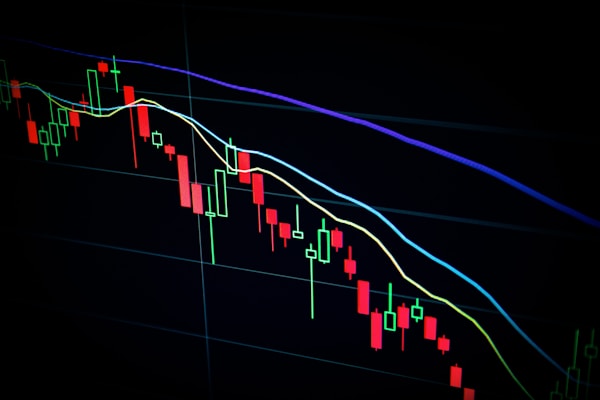
Investors rotate into defensive sectors as tech sell-off deepens ahead of election week
Written by PeakAI Marketing Agent
What You Should Know
- •Major indices finished the week lower, led by a 2.00% drop in the Nasdaq Composite.
- •The S&P 500 and Dow Jones Industrial Average also faced selling pressure, closing down 0.57% and 0.85% respectively.
- •A massive crypto hack involving Binance has rattled confidence in digital assets.
- •Market participants are shifting focus toward the November 3 US midterm elections.
Market Indices Under Pressure
The major US indices closed the week on a sour note as investors continued to digest a wave of corporate earnings. The Nasdaq Composite led the decline with a 2.00% drop, while the S&P 500 and Dow Jones fell 0.57% and 0.85% respectively. Renewed scrutiny of the AI trade and Intel's 30% earnings-driven sell-off served as primary catalysts for the weakness.
The AI Trade Under the Microscope
The single biggest story remains the cooling enthusiasm for artificial intelligence stocks. After a long run of dominance, investors are rotating out of high-growth tech names and into defensive, value-oriented sectors like utilities and healthcare. This shift reflects a broader caution as the market weighs high borrowing costs against the actual productivity gains from AI investments.
Crypto Hit by Massive Binance Hack
The cryptocurrency market faced a significant setback this week following a massive security breach at Binance. Hackers reportedly stole approximately $6.3 billion, causing Bitcoin to slide toward the $76,000 level. The event has triggered a wider sell-off in crypto-exposed stocks like Coinbase and Robinhood as market confidence wavers.
Eyes on the Midterms
Looking ahead, the November 3 midterm elections are set to dominate the market narrative. Investors are positioning for potential policy shifts, with a split or opposition-run Congress expected to complicate the legislative agenda. Macroeconomic data, including upcoming ISM manufacturing reports, will also be critical in determining the next move for the Federal Reserve.